
A Dumpling Dinner Does Not Need a New Recipe
You can put together a dumpling dinner by following the product’s package directions and serving a side you already know how to make. A new recipe is optional. Choose one useful finishing ingredient if the plate needs it, then stop adding tasks once the meal you intended is complete.
This is helpful on an evening when you want to cook but do not want to learn another technique. Searching for the perfect recipe can turn a modest dinner decision into a much larger project. A familiar preparation and a clear accompaniment may be all the structure you need.
Use the package as the preparation authority
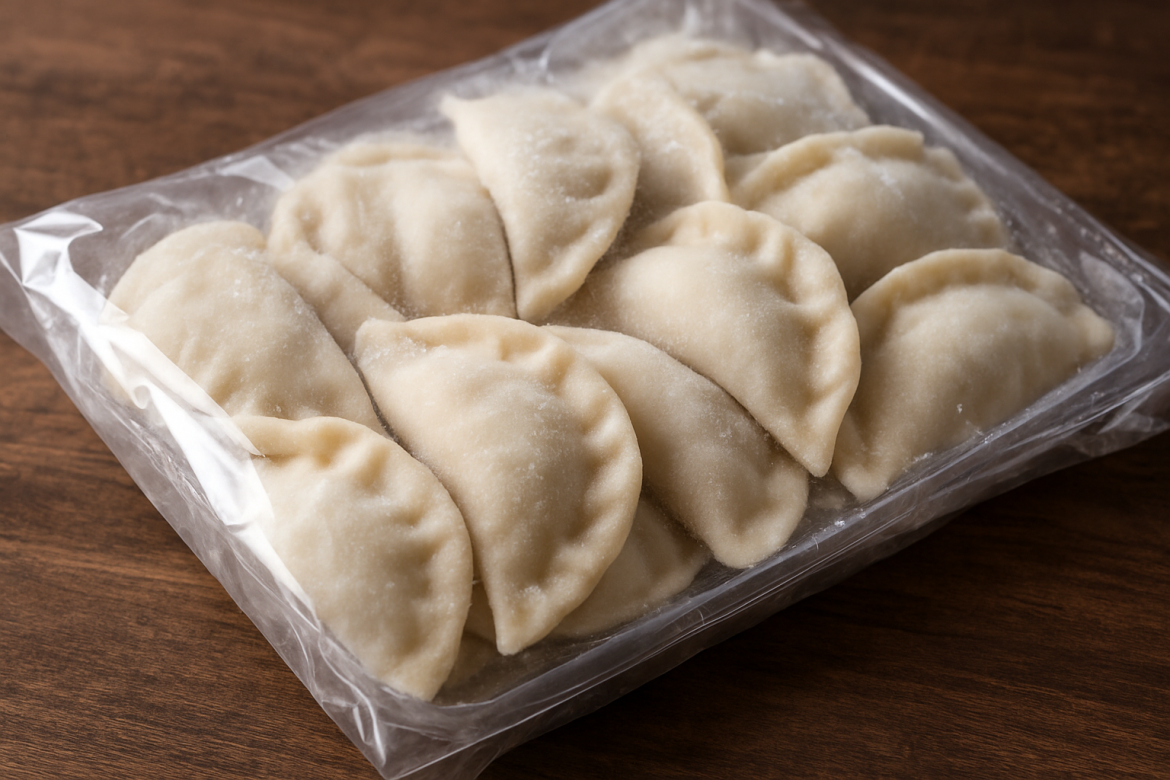
Begin with the food you actually purchased. Read its directions before deciding which equipment to set out or how to sequence dinner. Holy Perogy’s dumplings are sold frozen and uncooked, so they need preparation according to their current package. The label gives the relevant starting point for that product.
Keep the package available while cooking. It is easier to check a step directly than to rely on a partial memory while handling another component. If someone else is helping, make sure they know which food and directions belong together. Shared cooking should not require guessing from the appearance of a bag.
Choose a supported method that fits your kitchen. If the required equipment is unavailable, adjust the meal decision before beginning. The goal is to prepare a straightforward dinner, so there is little benefit in creating an equipment problem that then needs its own solution.
Let this task remain bounded. Preparing the dumplings does not require inventing a sauce, researching a regional tradition or making every component from scratch. Those can be enjoyable projects on another day. Tonight, the package-directed food can be the main task around which the rest of the meal is arranged.
Choose a side you already know how to make
Think of an accompaniment you have successfully prepared and enjoy eating. It might be a familiar cooked vegetable or a simply dressed fresh side. Choose from your own ordinary cooking rather than from an idealized picture of what a dumpling meal should include.
Check that the side fits the equipment and attention the main component needs. A familiar dish can still be inconvenient if it requires the same pan at the same time. Change the sequence where appropriate or select another known accompaniment. The benefit comes from a workable combination, not familiarity alone.
Use ingredients already available when they suit the meal and are in appropriate condition. A side you can make from what is in the kitchen may spare you another purchase and another decision. If an ingredient is missing, decide whether it is essential or whether another familiar side is the easier answer.
Keep the amount realistic. A garnish is not a substantial side simply because it contains a vegetable, and a large dish may be more than the household wants tonight. Think about the actual plate and expected appetite rather than following a serving arrangement from a photograph.
If you are feeding more than one person, ask whether the accompaniment works for them. A familiar household dish is useful only when the eaters want it. Small preferences can often be handled through separate dressing or an optional finish without creating another full preparation.
Add one finishing ingredient with a purpose
Look at the main food and side together before adding anything else. Name the gap you are trying to fill. You may want a particular herb flavor, a favorite condiment or a modest additional element. If you cannot identify what an addition contributes, it can probably wait.
The descriptions in the Holy Perogy range for Chicago help connect the finish to the actual filling. Poppin’ Cheddar Bites contain potato and cheddar in a mini dumpling. That cheese is already part of the meal, so an additional cheese-based sauce is a choice you can make for taste rather than an automatic next step.
Use a finishing ingredient you understand. A condiment you regularly enjoy can be easier to judge than a new combination assembled from several unfamiliar products. Offer it separately when people want different amounts or when you would like to taste the filling plainly first.
Do not let the finish become another recipe by accident. Chopping one suitable herb is a different task from making a multi-ingredient topping that needs its own cooking vessel. Either can be worthwhile, but choose consciously. The original plan was a manageable meal, and the last addition should still fit it.
Recognize when the plate is complete
A meal is ready to serve when the food is properly prepared and the components you chose are in place. It does not need one more garnish because an online picture looks more elaborate. Put the plate on the table and eat while the arrangement suits the meal.
Notice which parts you would repeat. You may like the filling with the chosen side and decide no finish is necessary next time. You may want the same meal with a different condiment. These are useful observations because they come from food you actually prepared, not from a growing collection of untried recipes.
Keep a short note if the combination is worth remembering. Record the product and the familiar side, with any important preference. The package remains the source for product preparation, so the note need not reproduce directions or become a detailed recipe of its own.
Make the same straightforward dinner again before deciding it needs another technique. Familiarity can reveal what you enjoy and what, if anything, you want to change. A meal assembled from clear directions and known accompaniments is a complete cooking accomplishment, even when it never needed a new recipe title.
Key Takeaways
- A dumpling dinner can be assembled by following package directions and serving a familiar side.
- Holy Perogy’s dumplings are frozen and uncooked, necessitating adherence to the package instructions for preparation.
- It is important to select a side dish that complements the main component without interfering with cooking equipment or timing.
- A finishing ingredient should be carefully chosen to enhance the meal without complicating the preparation process.
- The meal is considered complete once the components are prepared and arranged appropriately, without needing unnecessary garnishes.
- Keeping notes on successful combinations can help in repeating enjoyable meals without resorting to new recipes.