
A reliable aquarium filtration system is the base of a healthy aquarium. It keeps the water clean, safe, and stable for fish and plants. Without good filtration, waste builds up quickly, water quality drops, and fish can become stressed or sick.
Filtration is not just about making water look clear. It is about removing waste, controlling toxins, and creating a balanced environment where fish can live comfortably for a long time. In this guide, we will explain how each type of filtration works and how to choose the right system for your tank.
Understanding Aquarium Filtration
Aquarium filtration is the process of cleaning and improving water quality inside the tank. Most filters combine different methods to handle different types of waste. These methods work together to keep the aquarium stable and healthy.
Mechanical Filtration (Physical Cleaning)
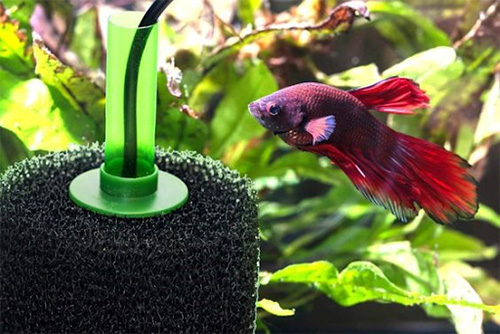
Mechanical filtration is the first stage of water cleaning. It focuses on removing visible waste such as fish poop, leftover food, dust, and plant debris. This type of filtration uses materials like sponge, filter floss, or pads that trap particles as water flows through them.
Think of it like a net that catches dirt floating in the water. Without it, waste would stay in the tank and break down, making the water dirty and cloudy.
Over time, these filter materials become full of waste. If they are not cleaned, water flow slows down, and the filter becomes less effective. That is why routine cleaning is important.
Why it matters:
Mechanical filtration helps keep your tank looking clean while also protecting other parts of the filter system from clogging. It reduces the amount of waste that reaches the biological stage, making the whole system work better.
Benefits:
- Keeps water clear and visually clean
- Prevents waste buildup in the tank
- Protects biological filter media from clogging
- Helps maintain steady water flow
Limitations:
- Needs regular cleaning or replacement
- Only removes solid waste, not toxins or chemicals
- Can become ineffective if neglected
Biological Filtration (Natural Waste Breakdown)
Biological filtration is the most important part of any aquarium filtration system. It uses beneficial bacteria that grow on surfaces inside the filter, such as ceramic rings, sponges, or bio media.
These bacteria are essential because they break down harmful waste produced by fish. Fish release ammonia, which is highly toxic. The bacteria first convert ammonia into nitrite, and then into nitrate. Nitrate is much safer and can be removed through water changes or used by live plants.
This process is called the nitrogen cycle, and it is what keeps aquarium water safe over time.
Why it matters:
Without biological filtration, toxic waste would build up quickly and harm fish. This system is what makes a tank stable and livable in the long run.
Benefits:
- Removes toxic ammonia and nitrite
- Maintains stable and healthy water conditions
- Supports long-term aquarium balance
- Reduces sudden water quality changes
Limitations:
- Takes several weeks to fully develop
- Can be damaged by over-cleaning or tap water use
- Sensitive to sudden changes in water conditions
Chemical Filtration (Water Purification and Polishing)
Chemical filtration improves water quality by removing dissolved impurities that cannot be seen. It uses materials like activated carbon, resins, or specialized filter pads.
Activated carbon is the most common material used. It works by absorbing unwanted substances such as odors, discoloration, and leftover medications. This helps make the water clearer and fresher.
Chemical filtration is often used as a support system rather than the main filter type. It is especially useful in specific situations, such as after treating sick fish or dealing with strong odors.
Why it matters:
Chemical filtration acts like a polishing step, improving water quality beyond what mechanical and biological filters can do alone.
Benefits:
- Removes bad smells and discoloration
- Clears leftover medications and chemicals
- Improves water clarity quickly
- Helps maintain a fresh environment
Limitations:
- Filter media needs frequent replacement
- Can remove useful minerals if overused
- Not always needed in every aquarium
UV Sterilization (Extra Water Protection)
UV sterilizers use ultraviolet light to treat aquarium water as it passes through the device. The UV light damages harmful microorganisms like bacteria, parasites, and algae, preventing them from spreading in the tank.
This helps reduce green water problems caused by algae and lowers the risk of disease outbreaks in fish.
However, UV sterilization works only on organisms floating in the water. It does not remove solid waste or replace normal filtration systems.
Why it matters:
UV sterilization adds an extra layer of protection, especially in tanks with recurring algae issues or disease concerns.
Benefits:
- Reduces harmful bacteria and parasites
- Helps control algae blooms
- Improves water clarity
- Supports overall fish health
Limitations:
- Does not remove physical waste
- Not a replacement for standard filters
- May affect some beneficial microorganisms in the water
Choosing the Right Aquarium Filtration System
Choosing the right filtration system depends on your aquarium size, fish type, and maintenance habits. A well-chosen filter helps keep water stable, reduces cleaning effort, and supports fish health.
Tank Size and Filter Strength
Tank size is one of the most important factors when selecting a filter. Larger tanks hold more water, but they also collect more waste. This means they need stronger filtration systems.
Small aquariums often use internal filters because they are compact and easy to maintain. Medium tanks usually use hang-on-back (HOB) filters, which offer better flow and more filtration space. Large aquariums often require canister filters or sump systems, which provide strong and advanced filtration.
Choosing the wrong size filter can lead to problems. A weak filter will struggle to keep up with waste, while an overly strong filter may create strong currents that stress fish.
Key idea:
It is always safer to choose a filter rated for a larger tank than yours to ensure better performance.
Fish Type and Biological Load
Different fish produce different amounts of waste. Some fish are clean and light feeders, while others produce a lot of waste and leftover food.
For example, goldfish, cichlids, and bottom feeders are known for producing heavy waste. These fish need stronger filtration systems to maintain clean water. On the other hand, small community fish like guppies or tetras produce less waste and are easier to manage.
Feeding habits also affect water quality. Overfeeding increases waste levels and makes the filter work harder than it should. Proper feeding helps maintain balance in the tank.
Key idea:
More fish or messier fish means you need stronger and more efficient filtration.
Balanced Filtration System
A strong aquarium setup uses all three main filtration types together: mechanical, biological, and chemical. Each one plays a different role in keeping water clean and safe.
Mechanical filtration removes solid waste, biological filtration breaks down harmful toxins, and chemical filtration improves water quality by removing dissolved impurities.
When combined properly, these systems create a stable environment that supports healthy fish growth and reduces maintenance problems.
UV sterilizers can also be added for extra protection, especially in tanks with algae issues or frequent disease concerns.
Key idea:
A balanced filtration system is more reliable than using just one type of filter.
Regular Water Testing and Maintenance
Even the best filtration system cannot replace regular tank care. Water testing is important because it shows if harmful substances like ammonia, nitrite, or nitrate are building up.
Partial water changes help remove waste that filters cannot fully handle. Most aquariums benefit from weekly or bi-weekly water changes depending on fish load.
Filter maintenance is also necessary. Mechanical media should be cleaned regularly, but biological media should be handled carefully to avoid removing helpful bacteria.
Key idea:
Good aquarium care combines filtration, water testing, and routine maintenance.
Final Reminder
A successful aquarium depends on understanding how aquarium filtration works and using it properly. There is no single best filter for all tanks. The right system depends on tank size, fish type, and how well you maintain it.
When mechanical, biological, and chemical filtration work together, your aquarium becomes a stable and healthy environment where fish can thrive for a long time.